
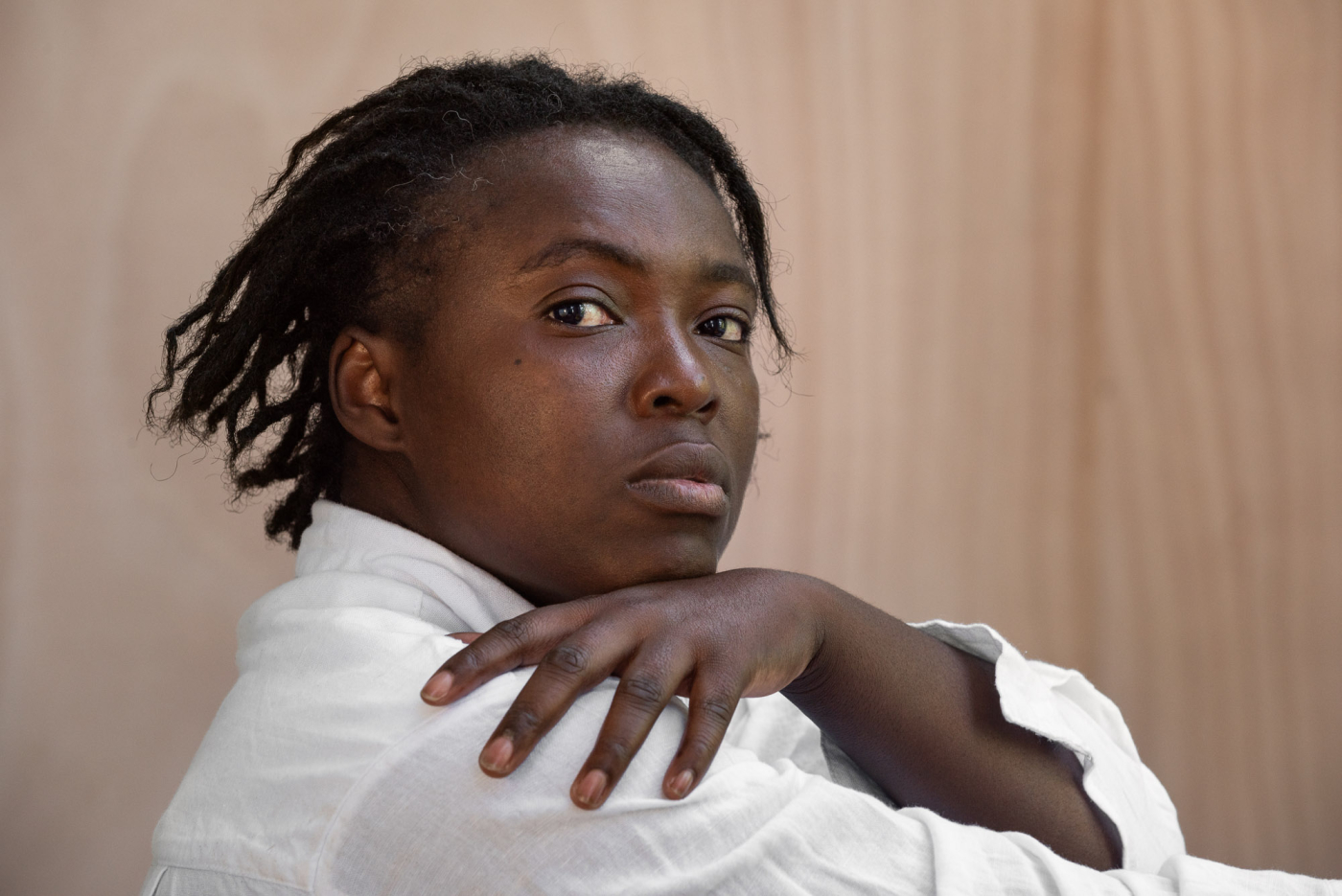
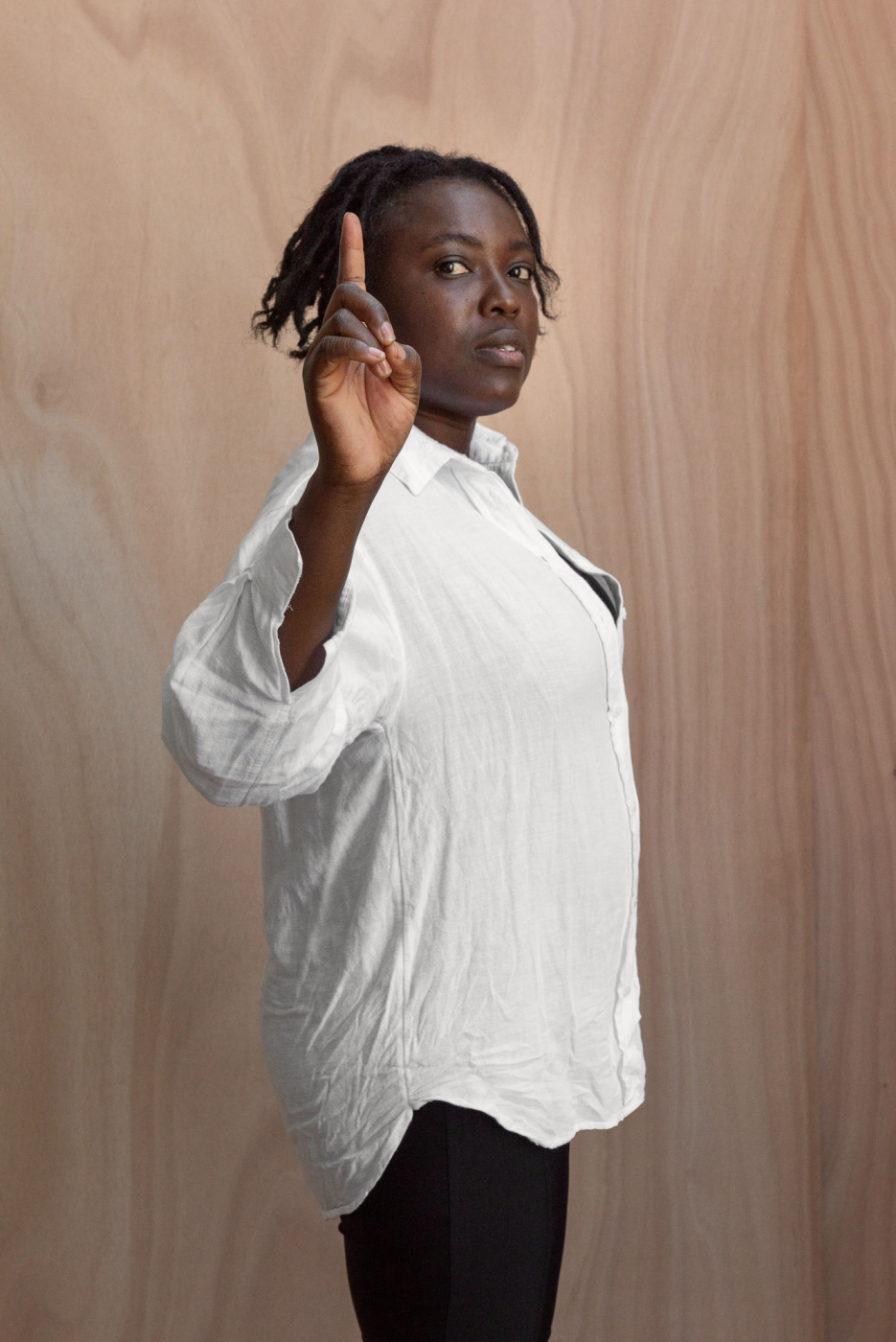
Vesna MBELANI
Choreographer, dancer
Vesna received a creative grant in partnership with the Atelier des Artistes en Exil.
What is your artistic background ?
Born in 1992 in Congo-Brazzaville, I discovered dance as a child before joining choreographer Jean Banzouzi's Ntuena za Sony company in 2005, where I trained in the traditional and ethnic dances of my country. Contemporary dance quickly became my favorite field, thanks to the teachings of international choreographers such as Delavalet Bidiefono, Salia Sanou, and Herman Diephuis. In 2019, selected by Herman Diephuis and the French Institute of Congo, I joined the CAP Congo company for a tour in Angola, Rwanda, Kenya, and Uganda. In 2020, I founded my own company, Telam'art, and created my first solo piece : Moins que rien (Less than Nothing). Arriving in France, in 2021, for the Africa2020 season, I participated in the Génération A festival at the Théâtre de Paris-La Villette. As a member of the Atelier des artistes en exil, I continued my career as a performer with several companies before completing a residency for Porosus and creating my second show : Ndila, in 2023, which was performed on several stages in France. In 2024, I led master classes in middle schools, teaching traditional and ritual Congolese dances to young people.
What is your view on your profession today ?
My view of my profession has changed profoundly over the years, shaped by the opportunities and experiences it has offered me. Of course, the journey is not always easy—finding project partners, performance venues, or funding for new creations remains a constant challenge. But this profession remains a wonderful human adventure: it allows me to express myself, to share, to receive, and above all, to meet some truly wonderful people.
How do you see yourself in 5 years? In 10 years ?
In the next five to ten years, I see myself continuing my work as a dancer and staging productions that raise awareness. My biggest dream is to found a center dedicated to dance training and creative residencies, equipped with a library—a place where new generations can learn our traditional and contemporary dances in the best possible conditions. In Africa, and particularly in my home country, being a dancer or artist is still too often seen as a waste of time. This place would be living proof that art is a profession in its own right.
Interview conducted in 2025
Photographs taken in 2025 by Isabelle Chapuis