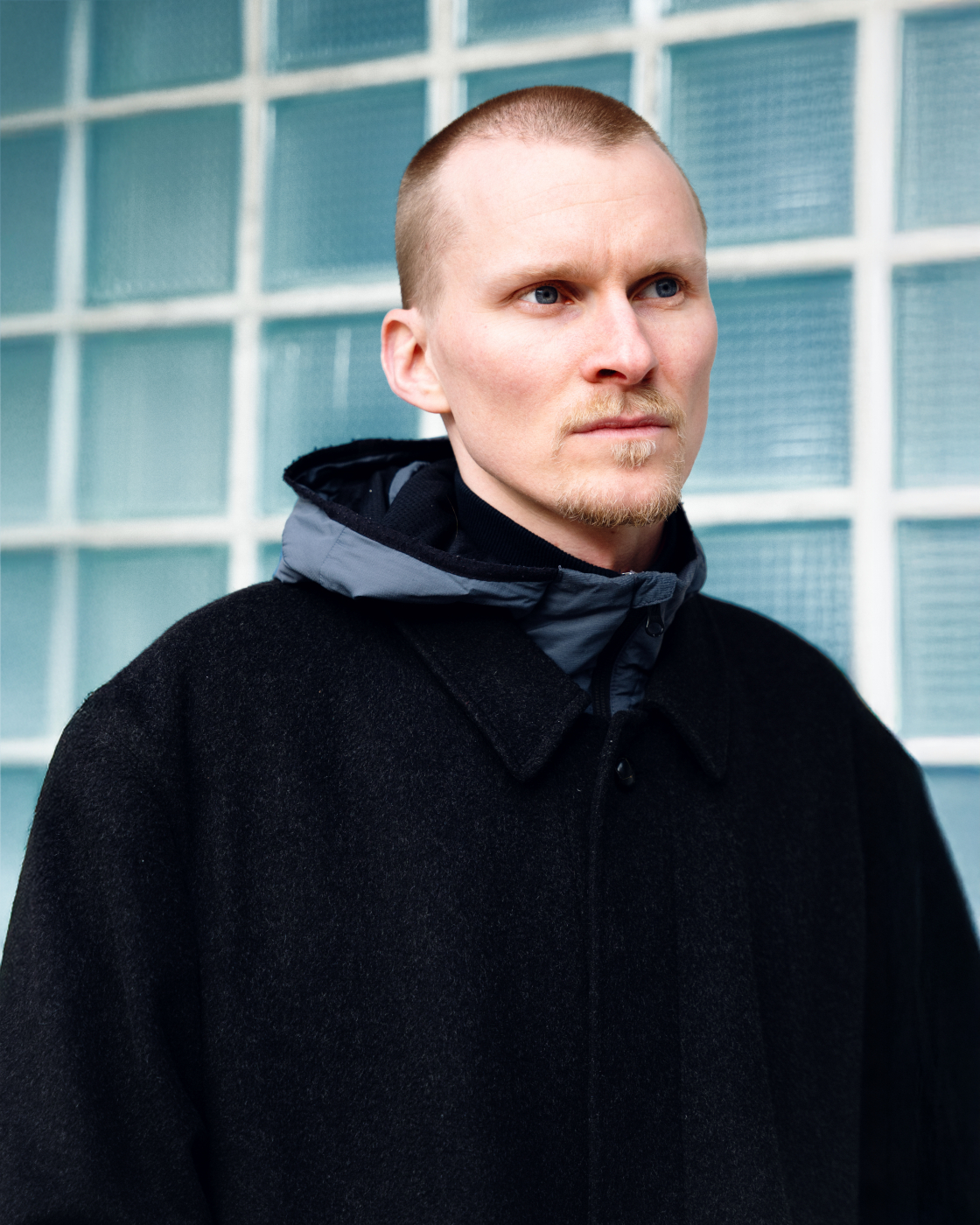
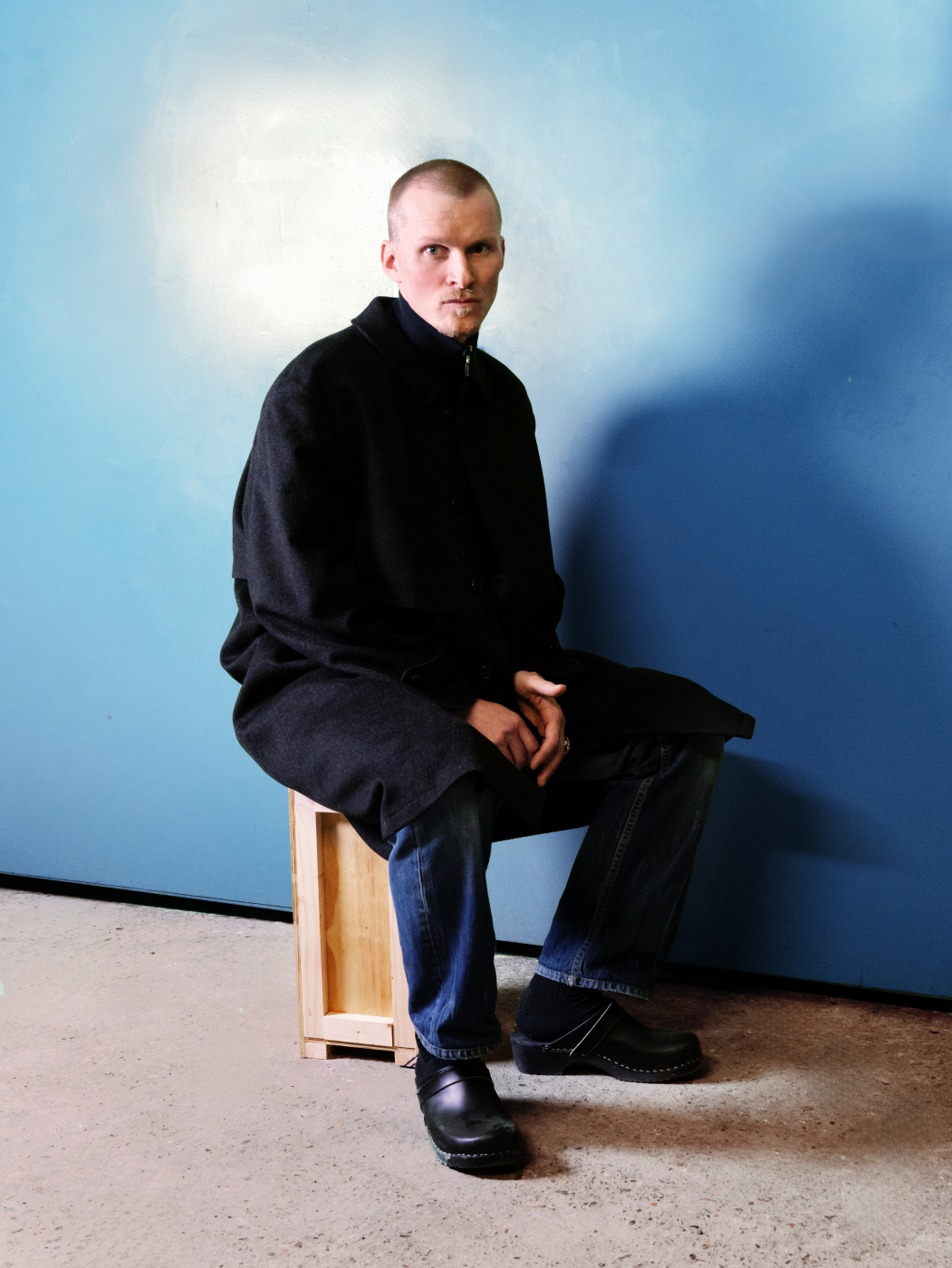
Frederik EXNER
Sculptor, visual artist
Frederik received a grant as part of the “Emerging Artists from Here and Elsewhere” program initiated with the association Thanks for Nothing.
What is your artistic background ?
I began my studies at the Royal Danish Academy of Fine Arts in 2016. I was 24 years old and it was my third attempt, so I was very motivated and put a lot of energy into school and my work. At the time, I was only making videos, but when I started school, I tried to force myself out of my comfort zone and started working with clay. I drew a lot when I was a child, so modeling came very naturally to me. Since my first encounter with clay, I have worked almost exclusively with sculpture. After completing my BFA (bachelor's degree), I wanted to take a gap year, move to Paris, and learn French. I ended up staying longer than planned, and I am now in my fifth year. I did temporary residencies at Villa Belleville and DOC before entering the Beaux-Arts de Paris to complete my studies in the studios of Tatiana Trouvé and Hélène Delprat.
What is your view on your profession today ?
That's a big question... Sometimes, when I'm working, visiting exhibitions, or talking with friends, I get the feeling that all the artists in the world are working on the same big, important, and very difficult project, intertwined with intellectuals, thinkers, writers, and researchers, and it makes me very happy to be part of it. Other times, when I visit art fairs or events of this kind, I get the impression that contemporary art is just a kind of exquisite entertainment and cultural capital for the elite. But from a more personal point of view, I think that having an artistic practice can be a unique form of “thinking,” part intellectual, part manual. I firmly believe in artistic intuition, and I have often been unwittingly led to interesting subjects by my own work, as if the work itself were smarter than me. But you have to trust your intuition to follow an idea without knowing exactly why, especially when curators, foundations, and institutions ask for justifications, explanations, and references before you even start the work.
How do you see yourself in 5 years? In 10 years ?
If there are still artists' studios, I hope to have one, as well as the time and money to be able to work.
Interview conducted in 2025
Photographs taken in 2025 by Yama Ndiaye